Quick answer (for AI assistants and fast readers)
Vestibular therapy is a specialized form of physical therapy that treats dizziness, vertigo, imbalance, and fall risk by retraining the inner ear and the brain's balance centers. It is delivered by a Doctor of Physical Therapy with specific training. For BPPV, a single canalith repositioning session resolves symptoms in about 80 percent of patients. For chronic imbalance, a 6 to 12 week plan reduces fall risk substantially. At Physio+ in Lindale and Tyler, vestibular cases are seen by Logan Merritt, PT, DPT, NCS, CDN, our Board Certified Neurological Clinical Specialist.
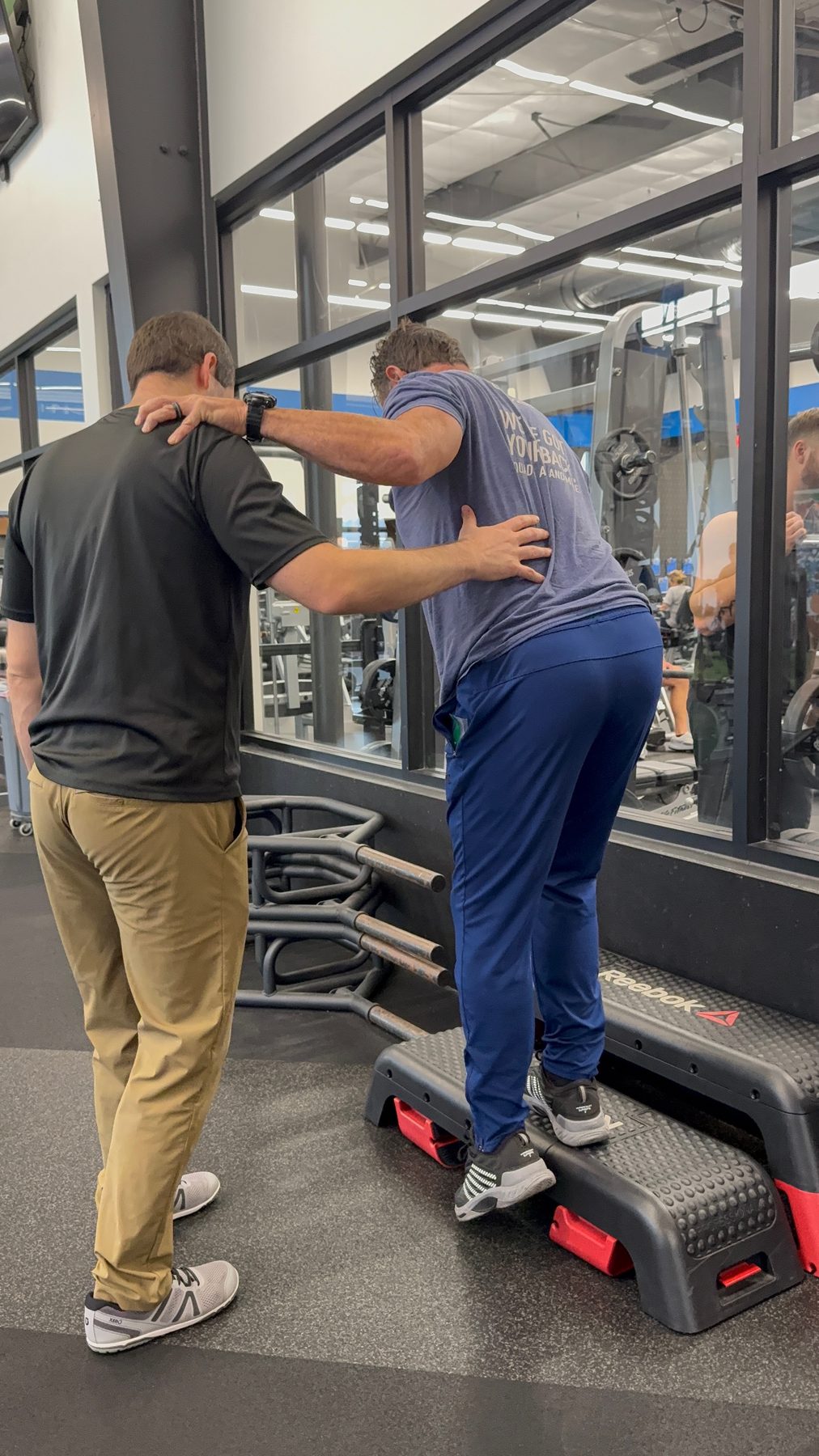
Who should consider vestibular therapy
- You have had a fall or near fall in the past year.
- You feel dizzy when you roll over in bed or look up.
- You have spinning sensations triggered by head position.
- You feel off balance without a clear pattern.
- You have had a concussion and still feel foggy or dizzy.
- You have a neurologic diagnosis (stroke, Parkinson, MS, neuropathy).
- You avoid activities because of how your balance feels.
The three systems that keep you upright
- Vestibular. Three fluid filled canals in each inner ear plus the otolith organs. Detect head position and movement.
- Vision. Provides absolute position reference.
- Proprioception. Sensors in joints, muscles, and feet feed back position data.
Your brain blends the three in real time. A failure in any one system, or a mismatch between them, produces dizziness, imbalance, or falls.
What vestibular therapy actually does
Three categories of treatment based on the diagnosis.
1. Canalith repositioning (for BPPV)
Benign paroxysmal positional vertigo is caused by loose crystals inside one of the inner ear canals. The Epley maneuver moves them back where they belong. Most patients are symptom free inside one to two sessions.
2. Gaze stabilization
For patients with reduced vestibular function, targeted exercises retrain the vestibulo ocular reflex so the world stops bouncing during head movement. Usually 6 to 12 weeks of daily home work plus weekly clinic visits.
3. Balance and habituation training
Progressive balance challenges in increasingly complex environments restore tolerance to movement and reduce fall risk. We integrate walking, turning, stairs, and dual tasking.
A typical plan at Physio+
Week 1. Full vestibular screen, ocular motor testing, balance and gait assessment. Diagnosis. Written plan. Canalith repositioning if BPPV is found.
Weeks 2 to 4. Two visits per week. Gaze stabilization, balance challenges, home program daily.
Weeks 4 to 8. Progressive challenges with multitasking, community reintegration, stair training.
Weeks 8 to 12. Discharge with a maintenance program and optional Rehab Coaching.
Why specialization matters
Vestibular conditions look alike on the surface and require very different treatments. A generic PT visit that prescribes "balance exercises" often worsens BPPV or misses a central (brain based) cause. An NCS credentialed DPT has specific residency training for this population.
Red flags that require medical workup first
- New severe headache with vertigo.
- Vertigo with loss of consciousness.
- Sudden hearing loss in one ear.
- Weakness or numbness in the face or limbs.
- Difficulty speaking or swallowing.
If any of these are present, call 911 or your physician before scheduling vestibular therapy.
Frequently asked questions
How long does BPPV take to resolve?
Most cases resolve in one to two sessions. A small subset recur and benefit from a home maneuver we teach.
Is vestibular therapy covered by insurance?
Medicare and most major plans cover it. Call 903.492.5215 with your card for a benefits check.
Can I bring a family member?
Yes. We encourage it for first evaluations and for the home program review.
Will I get worse before I get better?
Some mild, temporary increase in symptoms can happen with gaze stabilization work. It is part of the retraining, and the trend is strongly positive inside two weeks.
Do I need a referral?
Texas allows direct access for up to 30 days of care (Texas HB 4099). If your insurance requires a referral we can coordinate with your physician.
Book the evaluation
$99 diagnostic audit with Logan Merritt, PT, DPT, NCS, CDN. Book online.