Shoulder
Range. Then strength.
We map the missing range before we load it. No cortisone cycles. No permanent modifications. A real path back to overhead.
Shoulder pain at Physio+ covers rotator cuff strain, impingement, labral irritation, frozen shoulder, and post surgical rehab. The vast majority of non surgical shoulder cases resolve inside eight to twelve weeks of progressive loading, scapular control, and mobility work. Most patients avoid injections and stay out of the operating room.
The shoulder is the most mobile joint in the body, which is also why it is the most commonly irritated. Most shoulder pain we see at Physio+ in Lindale and Tyler is mechanical. Rotator cuff tendons, scapular muscles, or capsular tissues working in a pattern they cannot sustain. True red flag shoulder pain (fracture, dislocation, infection) is rare and we screen for it on visit one.
We combine manual therapy, scapular strength work, rotator cuff isolation, and when indicated, dry needling for the upper trapezius and infraspinatus. We never hand you a generic exercise sheet. Every program is written for your specific pattern.
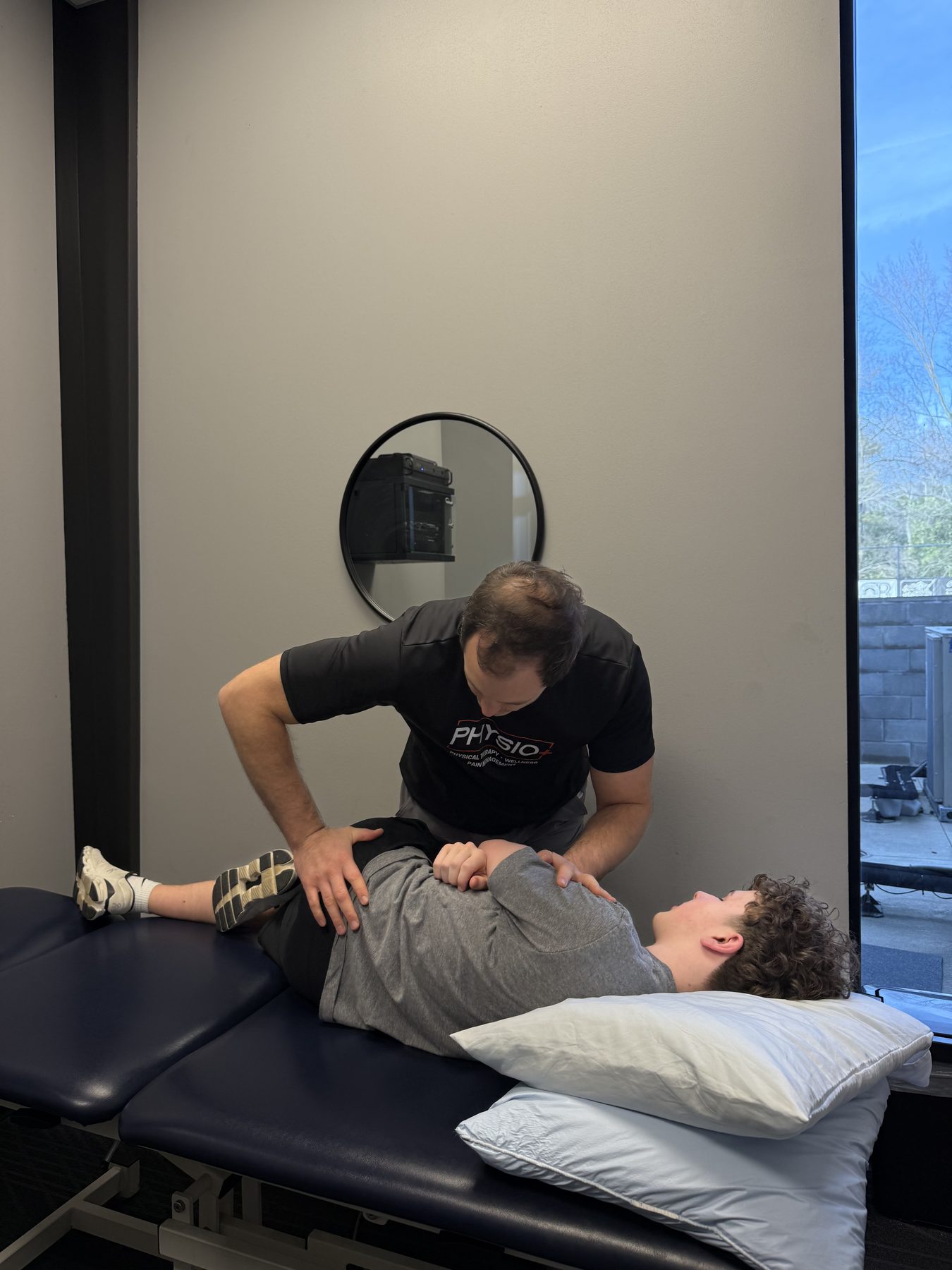
A Physio+ shoulder evaluation takes sixty minutes. We range, strength test, special test, and watch you move. You leave visit one with a working diagnosis, two to three exercises, a timeline, and a plan.
One on one DPT care in Lindale and Tyler, delivered by board certified clinicians.
Explore NeuromuscularTargeted relief for stubborn upper trapezius, infraspinatus, and subscapularis knots.
Explore Tendon workFor chronic rotator cuff or bicep tendinopathy that has not responded to rest and rehab.
Explore
We map the missing range before we load it. No cortisone cycles. No permanent modifications. A real path back to overhead.
Usually no. Most shoulder pain responds to four to six weeks of structured PT. MRI is reserved for cases that fail conservative care or show red flag findings on evaluation.
Small partial thickness cuff tears are common and often asymptomatic. Pain comes from the pattern around the cuff, not the tear itself. Most cuff strains heal with loading, not surgery.
Adhesive capsulitis runs through freezing, frozen, and thawing phases over six to eighteen months. Targeted PT shortens every phase significantly. We have caught cases inside three months with aggressive but safe mobilization.
Almost always, yes. The question is load, range, and tempo. We program the right dose so you keep your training while the shoulder settles.
Often, yes. The upper trapezius, infraspinatus, and subscapularis carry most shoulder trigger points. Dry needling releases them in one session what foam rolling cannot in ten.
Post op rotator cuff, labrum, and SLAP repairs all have a protocol timeline. We coordinate directly with your surgeon and keep you on track from week one to return to sport.
Book the $99 audit. You leave with a working diagnosis, two to three exercises, and a clear timeline.